
How Foot Alignment Causes Persistent Heel Pain

The foot alignment theory of chronic heel pain is a frequent inquiry for individuals who suffer from persistent foot soreness. When the bones and joints in the foot don’t line up right, pressure accumulates on the heel. A slight shift in your foot’s alignment when it rolls or lands can, over time, cause stress to the heel bone and surrounding tissue. It’s especially painful for many people with flat feet or high arches. Even a small change in gait could have an impact. Foot alignment issues can present themselves at any age and are frequently overlooked until the pain intensifies. To assist, the core of this blog will describe the connection between foot alignment and chronic heel pain.
Key Takeaways
If the foot is not properly aligned, your kinetic chain is out of whack, which is why you might be experiencing that nagging heel pain in your knees, hips, and back.
Abnormal foot mechanics and weight imbalances, typically from flat feet or high arches, overload the heel and may result in tissue overload and chronic inflammation.
Early diagnosis and treatment of foot alignment problems, like overpronation or supination, are critical in stopping slow tissue degradation and lasting pain.
Thorough evaluations from both the patient and clinical perspectives help avoid simply diagnosing the heel pain as plantar fasciitis.
Addressing heel pain effectively requires tailored strategies, including strengthening exercises, using supportive footwear, and considering custom orthotics to restore proper alignment.
Through consistently implementing lifestyle changes that encourage healthy foot posture, including frequent movement, healthy weight management, and conscientious standing habits, you arm yourself against chronic heel issues for life.

The Biomechanics Of Heel Pain
Foot alignment is a critical component of the body’s biomechanics. When the foot is misaligned, it triggers a domino effect that can cause pain in the heel and radiate through the legs and back. Heel pain is a beacon that something deeper is out of whack, and that root can frequently be traced to the ways the foot hits the earth, how weight gets distributed, and how the body responds to those fluctuations.
Faulty Foundation
Bad feet are still the number one cause of heel pain. Both flat feet, when the arch collapses, and high arches, which put more stress on the heel, contribute to this issue. These shape changes transform the way the foot strikes the ground. Weak shoes make it worse because they allow the foot to over-roll or over-tilt Over time, the misalignment in the foot alters the alignment of your ankle, knee, and hip, causing wear and tear in all those joints. Even minor alterations in foot posture can disrupt the kinematic chain and cause muscles to overwork simply to maintain equilibrium.
Uneven Weight
When weight isn’t evenly distributed across the foot, the heel absorbs more tension. Gait problems, like toeing in or out, place additional strain on particular places on the heel. Heavier individuals exert more strain on their feet, which can further twist misalignment. An uneven stance or gait, when you favor one side, for example, only inflames the imbalance and exacerbates pain over time.
Chain Reaction
Out-of-alignment feet make the body make minor adjustments to maintain balance. These changes transfer pressure up to the knees, hips, and lower back. Over time, this can lead to pain and stiffness in these areas. Long-term issues can accumulate, not just in the foot, but all the way up the body, dragging you down and making it difficult to get through the day.
Tissue Overload
Misalignment overloads the soft tissues in the heel, such as the plantar fascia or heel pad. Excessive stress causes these to tear or become inflamed. Continuing to put the same stressed movement day after day keeps injuring the tissue. Balanced muscle activity is crucial to halt this overload and shield the heel from additional harm.
Chronic Inflammation
Ongoing heel pain can trigger swelling and redness, which is a sign of chronic inflammation. This makes the heel tender to touch and slows down how fast it can heal. Not treating the swelling keeps the pain going. Reducing inflammation is needed for lasting pain relief.
Common Alignment Culprits
Most people forget how significantly foot alignment influences heel health. Early signs of misalignment can be the difference between acute ache and chronic discomfort. Identifying the primary alignment offenders keeps that nagging heel pain away and guides improved care.
Over-pronation, supination, and arch height are the primary common alignment culprits. They all mess with how the force is distributed through the foot and frequently aggravate the heel.
Identifying these issues early can prevent harm. Minor changes in step cycle, shoe usage, or day-to-day ease can indicate underlying problems.
Every alignment issue puts a different strain on your heel. Some collapse the arch, others supinate or pronate, and each redistributes stress and induces discomfort.
Lifestyle factors such as shoe selection, extended periods of standing, or high-impact sports may compound alignment issues. Taking care of these details promotes healthier heels.
Overpronation
Over-pronation is when the foot rolls inward too far with each step. This movement bombs out the arch and pulls on the plantar fascia, the tissue connecting the heel. The additional inward roll moves weight away from the foot’s natural center, forcing the heel to hyperactively absorb shock.
Heel pain from overpronation will typically manifest as soreness around the inner heel or arch. Sometimes there’s swelling or burning from long walks. Over-pronation is prevalent among flat-footed individuals or people with weak foot muscles.
Supportive shoes, orthotic inserts, and exercises can help correct over-pronation. Strengthening foot muscles and choosing stable footwear eases the pain and might prevent issues from escalating.
Supination
Supination is over-pronation’s evil twin. Here, the foot rolls outward, so weight remains on the outside edge. This restricts shock absorption and puts additional stress on the outer heel and ankle.
Supination typically results in pain on the outer heel and ankle. Shoes could wear along the outer edge. Stiff or high arches make supination more likely.
Stretching and balance exercises help, as do cushioned shoes. In extreme instances, custom insoles are necessary.
Arch Height
Arch height alters the way force propagates through the foot and into the heel. Low arches (flat feet) distribute weight over a greater area but can stress the plantar fascia. High arches concentrate pressure on the heel and ball, rendering both less stable.
Foot Type | Arch Shape | Common Issues |
Flat Feet | Low/no visible arch | Overpronation, heel pain |
Normal Arch | Slight curve | Fewer problems |
High Arch | High, rigid curve | Supination, outer heel pain |
Supportive insoles assist in cushioning and aligning arches. Custom orthotics provide additional support, particularly for individuals who have an arch height that deviates from the norm.
The Silent Progression
Heel pain usually creeps up on you, which can make it difficult to detect early warning signs. Most individuals dismiss little twinges, assuming they will disappear, but this gradual shift is a major culprit behind pain becoming chronic. Early steps to combat bad foot position are essential. Little imbalances in how your foot strikes the ground can initiate a domino effect, resulting in more serious issues. Recognizing these silent advances, mild stiffness, a new gait, or sporadic soreness can go a long way in catching dysfunction before it becomes dysfunctional. Awareness of these signs will keep you several steps ahead, making pain much more manageable and preventing it from dominating your life.
Compensatory Strain
Your body transfers weight to keep the pain out of your heel.
Ankles, knees, or hips just might shift to relieve stress on the foot.
The lower back occasionally catches additional strain during ambulation.
Muscles in the other leg might clamp down to maintain balance.
If these posterolateral rotatory movements continue, other joints may take the brunt. Over time, the strain radiates out, resulting in knee soreness or hip tightness. Overlooking this cycle can cause permanent joint erosion, resulting in chronic pain elsewhere. Even minor adjustments like sitting with better posture, wearing supportive shoes, or adding custom insoles can reduce this extra stress, allowing the body to recover.
Gradual Breakdown
Chronic misalignment in the foot doesn’t wreck tissue immediately. Rather, small tears or stress accumulate in the heel over months or years.
The ache can begin mildly. If unattended, it can become sharp and persistent. Age, obesity, and extended hours on your feet all increase the risk of tissue damage. Hard surfaces, bad shoes, and repetitive pounding accelerate it. Stretching, frequent foot checks, and preemptive use of orthotics keep the foot strong and minimize your long-term risk.
Pain Threshold
We all experience heel pain in our own ways. Certain individuals endure minor pain for decades, while others contend with even slight aching. A misaligned foot can reduce pain tolerance by pressing on nerves all the time.
Chronic pain erodes the soul, causing anxiety or even depression for some. It complicates easy chores and saps vitality. Mindfulness, paced activity, and gentle exercise can help you manage the pain, allowing you to remain active and even improve your mood.
Beyond Plantar Fasciitis
Heel pain tends to get pinned on plantar fasciitis, but there’s more to it than that. Most heel problems arise from more profound alterations in foot alignment and mechanics. A proper diagnosis requires a broad view of your foot’s structure, previous trauma, and lifestyle. By not viewing beyond plantar fasciitis, treatments can overlook the real source and allow pain to linger. Beyond plantar fasciitis, the connection between foot alignment and heel pain is potent. Dialing it in can have a huge impact on treatment efficacy.
Achilles Tendinopathy
Achilles tendinopathy occurs when the large tendon at the back of the ankle becomes sore or thick. If your footsteps are not well-aligned, say, too much inward roll (over-pronation), this tendon is put under more strain. Those with flat feet or stiff ankles experience it the worst. Symptoms usually present as heel or calf pain, worsening with activity, swelling, and tenderness in the calf. Overuse, bad shoes, and tight calf muscles can trigger or exacerbate it.
When foot mechanics are off, the tendon works harder to stabilize the ankle. This turns minor strains into permanent damage. Solutions include arch-supporting shoe inserts, calf stretches, and a gradual return to activity. Occasionally, they just need some physical therapy and rest to heal completely.
Stress Fractures
Symptom | Description |
Localized pain | Sharp or aching pain in one spot on the heel |
Swelling | Mild to moderate puffiness around the area |
Tenderness | Sore to the touch, worse with pressure |
Bruising | Sometimes, but not always seen |
Poor foot mechanics, such as uneven weight distribution, can cause stress fractures in the heel. High-impact sports or long walks on hard ground exacerbate it. The pain accumulates, not strikes like a fever. That’s why it’s important to catch the signs early. Rest and ice, along with backing off on weight-bearing activities, make bones heal. Physical therapy and a slow return to motion prevent the injury from returning.
How To Assess Your Alignment
While discovering your foot alignment is an important piece of the puzzle, if you want to end recurring heel pain. A simple self-test begins with how you stand and walk. Place your bare feet on a level surface. Glance down toward your feet, with the inside edge of each foot facing forward and your toes pointing ahead—not out or in. If you notice your arches slump too near the ground, or your ankles roll in or out, these are frequent indications of misalignment. How to Evaluate Your Alignment. Take a shot at walking a straight line. If your feet splay out or in, or you sense your weight shift to one side, this may indicate an issue.
They’re common indicators of the misalignment that frequently causes plantar heel pain, and they’re simple to identify if you know what to look for. Uneven shoe wear is a huge tip. Heels that wear away more on one side indicate that your foot rolls too much either out (supination) or in (pronation). If you develop blisters, calluses, or soreness in the same location on each foot, this indicates that your feet absorb additional load there, which in turn strains the heel. Observe swelling in your heel or arch. This implies that your foot architecture is not distributing the impact of your stride naturally.
For an in-depth check, there are easy instruments and examinations you can attempt on your own. Standing, look at your feet in a mirror. Your heel bone should be vertical, not slanting. Try the “wet footprint” test. Step with wet feet on a piece of paper. A wide print shows a low arch, which links to over-pronation, while a narrow print shows a high arch, often tied to supination. Others employ high-tech gait apps or video their walk, but even a simple phone video can help identify if your ankles roll or if your stride is too long.
These regular checks are important because foot shape and motion can change with age, weight fluctuations, injury, or athletics. Identifying subtle movements early allows you to intervene earlier and prevent heel pain from becoming a chronic problem.
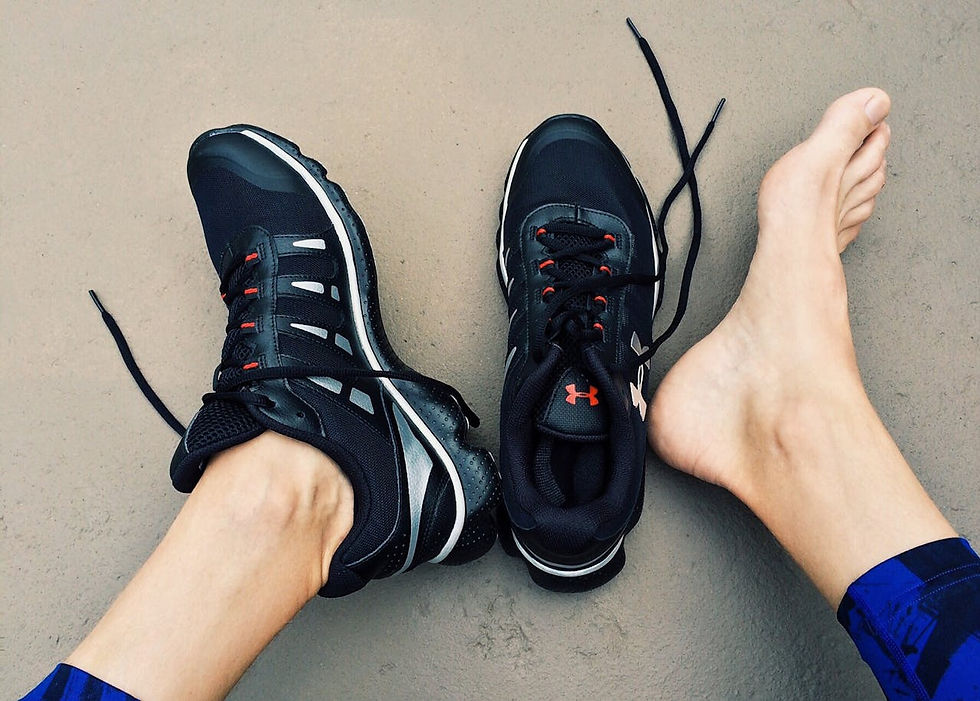
Reclaiming Your Foundation
Reclaiming your footing is essential for those contending with chronic heel pain. When the muscles and bones in your foot are misaligned, your heel absorbs additional pressure and stress, resulting in pain that rarely resolves itself. Consider the foot of your platform. If it is weak or crooked, the rest of your body pays the price. These targeted exercises are among the best ways to build up foot muscles and fix alignment. Simple exercises like toe curls, marble pickups, and heel raises all help train the small muscles in the foot. They reinforce the arch and assist in distributing the load. If you stand or walk long hours, these moves can help unravel years of improper habits and reduce pain from flat feet or over-pronation.
The proper shoes are almost as important as the workout. Shoes need to provide ample arch support, a rigid heel counter, and a stable sole. A properly fitting shoe can prevent the heel from rolling in or out, a frequent cause of chronic pain. Avoid shoes that are too soft, unsupportive, or that shape the foot into a strange form. Running or walking shoes with a modest heel-to-toe drop and robust midsole can assist in maintaining the foot in a proper line. In certain instances, custom orthotics may be necessary if there are specific structural problems.
Several lifestyle changes can help improve foot alignment and lower the risk of pain:
Maintain a healthy body weight to minimize stress on the feet.
Stretch the calf muscles and Achilles tendon each day.
After a long day of standing or walking, rest and elevate your feet.
Avoid walking barefoot on hard surfaces for long periods.
Replace worn-out shoes regularly.
About Reclaiming Your Foundation. Schedule time each week for foot-strengthening exercises and monitor how your feet feel following various activities. A routine schedule helps condition the muscles, keeps the joints limber, and develops habits that prevent issues down the track. It is straightforward and requires no special tools, so it is easy to slip into hectic lives.
Conclusion
Heel pain frequently traces itself to the way the foot strikes the ground. Little differences in foot shape or arch motion can stress the heel. Flat arches, high arches, or even a slight inward roll can ignite pain that lasts for months. A lot of people overlook these symptoms initially. With heel pain caused by foot alignment, a few basic foot checks, like inspecting your foot shape or stance, can help identify the culprit early on. Definitive answers arrive through manual inspections, not assumptions. Straightening the foundation allows your entire body to function optimally. Pain will often recede with proper support and subtle adjustments. For additional tips or to share your own experience, visit the discussion on the blog.
Frequently Asked Questions
1. How Does Poor Foot Alignment Cause Heel Pain?
Poor foot alignment shifts the weight distribution across the foot. This can stress muscles, tendons, and ligaments in the heel, frequently resulting in chronic pain.
2. What Are Common Signs Of Misaligned Feet?
Typical indicators are uneven wear in your shoes, recurrent ankle sprains, arch or heel pain, and toes that turn either inward or outward.
3. Can Heel Pain Develop Slowly Over Time Due To Alignment Issues?
Yes, misalignment frequently causes pain that accumulates slowly. Not everyone notices symptoms until the pain is persistent or severe.
4. Is Plantar Fasciitis Always Caused By Foot Alignment Problems?
No, plantar fasciitis is multi-causal. Foot alignment is one risk factor that may be involved in or exacerbating the condition.
5. How Can I Check If My Foot Alignment Is Causing Heel Pain?
You can check for uneven shoe wear or posture while standing. If you want a comprehensive evaluation, see a podiatrist.
6. What Are The Benefits Of Correcting Foot Alignment?
Aligning your feet correctly can alleviate heel pain, enhance stability, reduce the risk of injury, and increase movement comfort.
7. Are There Simple Ways To Improve Foot Alignment At Home?
There are foot muscle-strengthening exercises, stretching, and wearing supportive shoes. As always, seek a professional for an individual recommendation.
Stronger Steps Start Here, Orthotics For Heel Pain And Heel Spurs In Rhode Island
Heel pain and heel spurs can make every step uncomfortable, affecting not just your feet but also your ankles, knees, hips, and back. If you’re dealing with sharp pain, stiffness, or soreness that lingers—especially in the morning or after long periods on your feet—your foot mechanics may be the cause. FootTek designs custom orthotics to relieve heel pain, reduce stress on irritated tissue, and support proper alignment.
Our team uses advanced 3D scanning to understand how your feet absorb impact, where excess pressure builds around the heel, and how your gait changes as you walk. Using this data, we create custom orthotics that cushion the heel, redistribute pressure, and support the foot in a way that helps calm inflammation and protect against heel spur irritation.
Getting started is simple. Schedule a consultation, let us evaluate your foot structure and walking pattern, and receive custom orthotics designed for long-term comfort and relief. No generic inserts, no trial-and-error—just targeted support built for your body.
Whether you’re active, on your feet all day, or noticing worsening heel pain over time, the right orthotics can make a meaningful difference. They help absorb shock, improve alignment, and reduce the strain that leads to ongoing heel pain and heel spur discomfort.
Book your appointment today and take the first step toward a more comfortable, supported movement.
Disclaimer
The content on this website is provided for informational and educational purposes only and is not intended as medical or professional advice. Always consult a qualified healthcare provider regarding any medical concerns, diagnoses, or treatment options. Do not rely solely on the information here to make decisions about your health or care.
While we strive to keep the information accurate and up to date, it may not reflect the most recent medical research or clinical practices. FootTek Orthotics assumes no responsibility for actions taken or not taken based on the content of this website, to the fullest extent permitted by law.


Comments