
Can Custom Orthotics Help With Knee, Hip, And Back Pain?

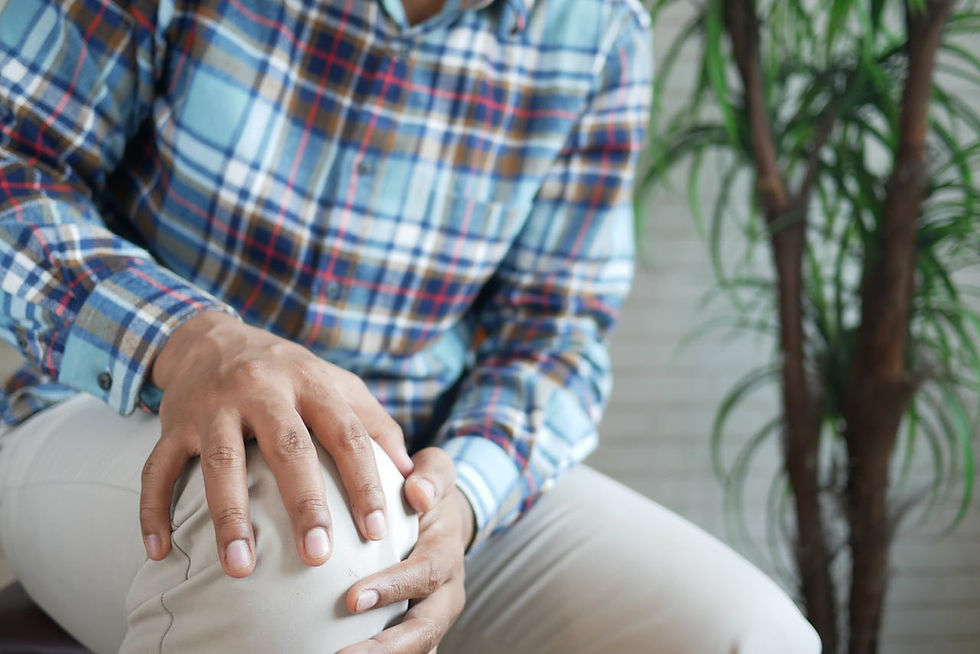
Orthotics for knee, hip, and back pain can be either custom or off-the-shelf supports that help keep your joints aligned and alleviate strain during everyday movement. Joint pain sufferers frequently turn to orthotics to reduce wear and tear on knees, hips, or spine, aiding in their walking, standing, and exercising. A lot do fit in shoes or wrap around the joint, employing hard or soft materials that assist in controlling motion or provide cushioning. In health care, orthotics are components of care plans for individuals with arthritis, injuries, or chronic joint pain. With the correct fit and application, it can equate to less discomfort and more activity. This section discusses how orthotics for knee, hip, and back pain work, what to watch for, and how to select the right kind for your needs.
Key Takeaways
Foot mechanics are at the root of knee, hip, and back pain, so it’s critical to correct foot posture.
Orthotics offer specialized support that realigns your foot’s structure, redistributes pressure, absorbs shock, and promotes better gait, preventing strain and increasing comfort while you go about your day.
Custom orthotics provide treatment tailored to the individual, while store-bought ones are not specific enough for long-term relief.
When it comes to orthotics for knee, hip, and back pain, the path is usually an intensive evaluation, custom fitting, and consistent follow-up to maintain comfort as the body adjusts.
When combined with these complementary strategies, wearing proper footwear, performing targeted exercises, and making healthy lifestyle choices, orthotics may do more than just support pain relief. They can support overall foot function.
If you have chronic lower limb or back pain, you should be evaluated by FootTek Orthotics to see if orthotics are right for your personalized needs and activity levels.

The Ground-Up Problem
The ground-up problem is a classic in musculoskeletal lore. In other words, foot problems can kick up into the body, frequently presenting as knee, hip, or back pain. They’re your foundation. When the base is off, the rest of the body has to compensate, sometimes in ways that cause strain or pain in joints further up. This is where FootTek Orthotics’ custom solutions come into play, helping to address these foundational issues.
Foot mechanics are crucial in understanding this problem. When the foot doesn’t function properly, due to its unique foot structure, weak musculature, or dysfunction, weight isn’t distributed optimally. Flat feet and high arches are just two such examples. Flat feet cause the foot to over-roll inwards, while high arches prevent proper shock absorption. Both conditions lead to weight shifts that can damage the knees and hips, and even the lower back. Wearing flat shoes with no arch support daily can exacerbate the issue, allowing the foot to collapse or remain stiff, resulting in increased pain over time. Over/under-pronation and other irregular gait patterns are major culprits, altering the gait and forcing other joints to compensate.
Foot posture influences how the rest of the body stacks up. When feet are crooked or unbalanced, knees may twist or lean, hips may carry more weight on one side, and the back may bend to compensate for the shift. This misalignment can cause injuries and fatigue, particularly for the active population. It’s not all about the feet, though; even a small issue, such as one leg being slightly longer than the other, can skew your posture and cause pain all the way up your back.
Common foot conditions that contribute to musculoskeletal pain include those that require proper alignment and support. The ground-up problem, your feet, is something you must address for actual relief. Supportive insoles or shoe inserts that add arch support and help distribute weight can relieve stress on your knees, hips, and back. If you don’t tackle this ground-up problem in the feet, other interventions, even if effective, may struggle to work or only temporarily mask the pain.
Flat feet (pes planus)
High arches (pes cavus)
Overpronation (excessive inward rolling)
Underpronation (outward rolling)
Leg length difference
Weak foot muscles
Poor shoe fit and support
Ultimately, understanding the connection between foot mechanics and overall body alignment is essential for long-term pain relief. Incorporating custom foot orthotics into your daily routine can provide the necessary support to alleviate discomfort and improve your quality of life. By addressing these foundational issues, you can pave the way for better health throughout your body.
How Orthotics Relieve Pain
Orthotics, particularly custom foot orthotics, reduce pain by supporting and aligning your feet, which can alleviate issues originating in your knees, hips, or back. They do this by modifying how force passes through the body, offloading pressure from painful areas, and training the body to move more efficiently. At FootTek Orthotics, we see these benefits every day for clients managing chronic joint or foot conditions.
1. Realigning Structure
Custom foot orthotics restore normal foot structure, providing a strong platform for the rest of the body. If you have flat feet or very high arches, it can disrupt your posture and lead to knee pain or hip pain. In addition to straightening misaligned feet, foot orthotics reduce load on joints and maintain the height of the spine, decreasing the potential for pain caused by misalignment. Set your feet right, and your body moves better, allowing those ancient aches to disappear.
Orthotics assist with common foot problems such as pronation or supination. Over time, these issues can cause pain radiating up to the back. By supporting the arches with supportive insoles, orthotics can train the feet and legs to walk with less stress.
2. Redistributing Pressure
Orthotics distribute pressure across the foot. This aids in preventing pain resulting from extended periods of standing or walking. When force is distributed evenly, tender areas get a rest. Pressure-relieving insoles can keep the feet from becoming fatigued. That’s great for folks with professions that require a lot of walking.
Custom orthotics actually fit a person’s own arch shape, so they provide support where it is needed most. Even weight distribution means less pain in the knees and hips as well.
3. Absorbing Shock
Good orthotic insoles absorb impact with every step. This reduces the pounding that joints experience when you walk or run. The proper cushioning prevents feet from being beaten up at the end of the day.
Shock-absorbing orthotics protect knees and hips from impact. This comes in handy for athletes or anyone who walks extensively on hard ground.
4. Improving Gait
Orthotics optimize gait by providing support and balance. They fix uneven steps, which prevents injuries from recurring. Better foot mechanics elevate comfort and confidence in your step.
Custom orthotics can assist individuals in walking with a more organic form. This alleviates stress on joints and muscles while going about your day.
5. Reducing Strain
Custom orthotics reduce stress on the knees, hips, and back. They specifically attack those pain spots with support constructed for you. By doing so, orthotics prevent muscles from becoming fatigued. They can go longer without being sore.
Orthotics prevent overuse injuries. They provide the buffer required to mend. Once you get used to them, many experience less foot, ankle, lower back, and hip pain.
Custom Vs. Store-Bought
For orthotics and knee, hip, and back pain, custom vs. Store-bought can influence comfort and outcomes. Knowing the pros and cons of each allows readers to choose wisely, particularly if they have special feet or chronic pain.
Custom Orthotics are crafted for each individual, typically utilizing foot molds, 3D scans, or gait analysis. This procedure results in custom orthotics that fit properly and correspond to the individual user’s specific needs. Say you have flat feet or high arches that need additional support or a specific shape to keep your feet aligned, something generic insoles can’t provide. Custom orthotics can be swapped to assist with issues like plantar fasciitis or heel pain. They’re often more sturdy and last much longer, sometimes for years if cared for, which makes them a better long-term option. The bad news is the price. Custom orthotics can be expensive and slow to produce, but for people dealing with intense or chronic pain, the fit and support typically compensate.
Store-Bought Insoles are crafted to accommodate the majority of feet in one size. They’re much easier to come by and significantly cheaper. These insoles can help with mild pain or fatigue, and most people observe some relief after a few days of wear. They degrade quickly with everyday wear and tear and might not last more than a couple of months. They can feel awkward or provide insufficient support, particularly for special foot requirements. Pain that doesn’t improve in a few weeks usually means the insole is a poor fit.
Unlike store-bought orthotics, custom orthotics provide your feet with targeted support, motion control, and cushioning that can help limit pain in the knees, hips, or back by addressing faulty foot movement at the source. While generic insoles are cheaper and easy to use, they won’t correct underlying problems or offer relief for more complex foot structures. In the long run, custom orthotics can be a money saver and produce superior results for many.
The Customization Journey
Obtaining custom foot orthotics to address knee, hip, and back pain is not a cookie-cutter experience. FootTek Orthotics creates a personalized journey centered around you that leverages medical expertise and technical innovation.
Steps include:
Initial assessment, often including a biomechanical and gait analysis.
Comprehensive evaluation to identify pain points and foot structure.
Accurate foot impressions using advanced methods.
Personal fitting to ensure optimal comfort and support.
Continued follow-up to fine-tune the orthotics over time.
Your Assessment
The assessment starts with a thorough look at the foot’s shape, arch height, and movement. A foot specialist may use a visual exam and a bio-mechanical assessment to check for issues like high arches, under-pronation, or over-pronation. Sometimes, a gait analysis or running test is done to see how the feet move during walking or running. These steps are not only for athletes; anyone with pain or discomfort can benefit.
Individuals suffering from plantar fasciitis, bunions, or chronic knee and back pain may benefit from this evaluation phase in particular. The goal is to identify pressure points or misalignments that standard insoles cannot fix. If you really want to customize, advanced techniques, such as digital foot scanning or plaster casting, capture the foot’s exact shape for a perfect fit. These results direct which orthotic features are selected, helping ensure that our recommendations align with your particular needs and lifestyle.
Your Fitting
A properly fitted foot orthotic is essential for relieving pain and addressing various foot problems. During the fitting, we check the orthotic in the shoe to ensure it aligns with the foot’s unique structure. This hands-on session encourages feedback, which helps the specialist make immediate adjustments. A good fit not only prevents soreness but also reduces the likelihood of developing new issues. We offer options for different levels of arch support, allowing individuals to select what feels best for their comfort.
While one marathon session might suffice, some may require a follow-up appointment if their original fit isn’t ideal. This step is crucial for those who have experienced failed trials with generic insoles.
Your Follow-Up
Follow-up is as critical as the initial evaluation. Other folks require updates to their orthotics as their lifestyle, weight, or foot condition evolves. Regular check-ins track progress and catch problems early.
The orthotic’s impact on pain is quantified and tweaked if necessary. With regular coaching to make sure people are getting the most bang, extending the life of the device. Well-kept orthotics can even last years!

Beyond The Insole
Orthotics are more than just a cushion for your feet. For a lot of people, knee pain, hip pain, or back pain is a bottom-up problem. A feeble arch or lopsided stride can create a domino effect that delivers aches further up the form. Custom foot orthotics assist by providing the appropriate support where it’s required, frequently alleviating discomfort caused by issues such as flat feet, plantar fasciitis, arthritis, and even lower back strain. When the foot rolls too much inward, an issue known as over-pronation, supportive insoles can stabilize the stride and reduce knee pain. For hips, if the feet aren’t aligned, the weight shifts, and the hips have to do too much work. Orthotic support can remedy this by keeping the feet in line, which distributes weight evenly and reduces the strain on the hips.
The shoes you choose are just as important as the insoles you wear. Good shoes translate into better fit and firmer steps. Shoes that hold the foot firm can assist the custom orthotics to stay in place and keep the foot aligned. This eliminates the chance of discomfort or additional stress, which is crucial for those on their feet all day at the office. Chronic pain sufferers, from arthritis to diabetics, need more than just a simple insert. Tailored, custom foot orthotics, designed for their unique foot structure and needs, can alleviate pain, enhance walking comfort, and even assist with balance.
Orthotics perform best paired with other care. Stretching and strength moves for your feet, ankles, and legs provide additional support and help keep pain at bay. For instance, easy calf stretches or rolling the foot on a ball can relieve tension. Balance drills develop muscular support for the joints. Decisions in my day-to-day life count, as well. A healthy weight places less pressure on joints. Sleep is great too, but getting around a bit and not being too sedentary is vital. If shoes or insoles wear out, exchange them for new orthotics to maintain the proper support.
Other Treatments And Solutions For Foot-Related Pain:
Physical therapy for muscle strengthening and retraining movement.
Ice packs and rest to reduce swelling.
Anti-inflammatory pain relievers as needed.
Taping or bracing to keep the foot stable.
Good foot hygiene and nail care, and avoiding sores for people with diabetes.
Weight loss to reduce joint stress.
Daily foot examinations for individuals with neuropathy
Are Orthotics For You?
Selecting custom foot orthotics for knee, hip, or back pain requires an intimate familiarity with your own body and medical history. Orthotics are specialized shoe inserts designed to correct your posture while walking and standing, typically by providing additional support to your feet or redistributing body weight. They’re not for everyone, but they can change the world for some. A lot of people turn to foot orthotics when they’re dealing with stubborn knee, hip, or back pain that hasn’t resolved with other treatments such as rest or physiotherapy. You might be a candidate for orthotics if you experience pain when you stand for long periods, walk or run, or if you’ve had repetitive injuries. What are some signs to look out for, such as sore feet and stiff joints, or pain that worsens with use? Bunions, high arches, flat feet, or swollen ankles can indicate that your body isn’t well aligned, and orthotics can help correct that.
Orthotics aid by distributing your weight such that no one region of your foot bears the entire strain. This is fundamental for those with rheumatoid arthritis or osteoarthritis in the legs, as it can relieve pressure from tender areas and help reduce pain. Custom foot orthotics, made just for your feet, have done well for those with plantar fasciitis or bunions, and can ease the pain of high arches as well. By providing additional support, orthotics reduce the strain on your lower body and even correct your gait. They can decelerate the damage from knee osteoarthritis, reduce inflammation, and help your joints and tendons function better as you move through your day or workout.
Orthotics are not a quick fix for everyone. Approximately 25% of adults have foot problems that manifest as knee or back pain, but not everyone will require or benefit from orthotics. It may take a few days to adjust, and not everyone will experience the same advantages. How well they work depends on your unique foot structure, your lifestyle, and what type of pain you have. Discuss your day-to-day needs and goals with a health professional before making any decisions.
Final Remarks
Orthotics can transform the way you stand, walk, and move by improving alignment and reducing strain. With the proper fit, they can help relieve knee, hip, and back pain. Custom orthotics from FootTek Orthotics are designed to match your exact foot contour, providing consistent support that store-bought insoles simply can’t deliver.
Think of orthotics as one part of a larger strategy for lasting relief, paired with supportive footwear, healthy habits, and targeted exercises. Since joint pain often starts with your feet, addressing the root cause is key.
Ready to get to the bottom of your pain? Take the first step with FootTek Orthotics. Schedule a consultation today and move toward comfort, step by step.
Frequently Asked Questions
1. What Are Orthotics, And How Can They Help With Knee, Hip, And Back Pain?
Orthotics, such as custom foot orthotics, are shoe inserts designed to support and align your feet. By improving biomechanics at the feet, these supportive insoles can help decrease knee pain and assist in pain relief.
2. How Do Custom Orthotics Differ From Store-Bought Inserts?
Custom foot orthotics are crafted to your unique foot structure and needs, providing numerous benefits that store-bought insoles cannot match for pain relief.
3. Can Orthotics Prevent Future Pain Or Injuries?
Yes, custom foot orthotics can prevent future pain or injuries by supporting proper foot alignment and dissipating weight more evenly across your body.
4. How Are Custom Orthotics Made?
An expert examines your feet and gait, addressing any foot problems. Then, a mold or digital scan is taken to create custom foot orthotics that fit your unique foot structure for the perfect amount of support and comfort.
5. Are Orthotics Only Helpful For Severe Pain?
No, custom foot orthotics can help people with mild discomfort and chronic pain alike. They do wonders for alignment and can either alleviate or stave off foot pain.
Move Freely Again With Custom Orthotics For Knee, Hip, And Back Pain
Nagging knee pain. Achy hips. A sore back that just won’t quit. These aren’t problems you should have to “live with.” The truth is, much of this discomfort starts with your feet, and the right orthotics can change everything.
At FootTek Orthotics in Warwick, RI, we design custom orthotics that don’t just cushion your steps; they help realign your body. Using advanced 3D scanning, we create a perfect fit that eases pressure, improves posture, and keeps you moving comfortably through every part of your day.
The process is simple. Start with a free consultation. From there, we’ll craft orthotics built just for you, ready to wear, built to last, and designed to relieve pain without the hassle of doctor visits or prescriptions.
Whether you’re powering through long workdays, chasing fitness goals, or simply want to enjoy life without constant aches, custom orthotics can help you step into lasting comfort and freedom.
Disclaimer
The content on this website is provided for informational and educational purposes only and is not intended as medical or professional advice. Always consult a qualified healthcare provider regarding any medical concerns, diagnoses, or treatment options. Do not rely solely on the information here to make decisions about your health or care.
While we aim to keep the information accurate and up to date, it may not reflect the latest medical research or clinical practices. FootTek Orthotics assumes no responsibility for actions taken or not taken based on the content of this website, to the fullest extent permitted by law.


Comments